Sizing & Selection · November 12, 2026
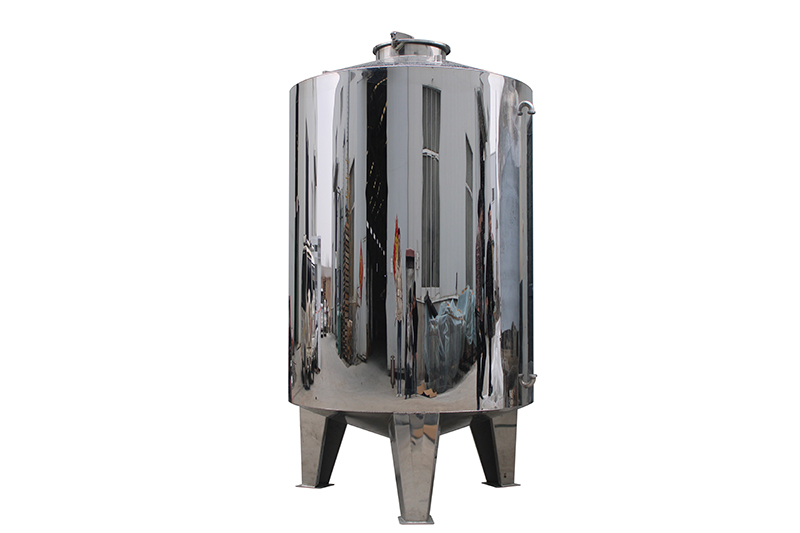
On most RO and pretreatment projects the tank is the cheapest item on the quotation - and the one most often undersized. A skid with beautifully selected membranes and filters can still trip on low-level alarms, cavitate its feed pump, or starve the filling line downstream because the tank was sized by habit instead of by duty.
This guide sets out how we size the three tank duties that appear on almost every project, with a worked example and a checklist you can send straight to your supplier.
Sizing all three by the same rule of thumb is the most common mistake we see in enquiries.
Start with the flow the tank actually sees. An RO skid marked 20 m3/h may run at 18 m3/h after fouling, and the pretreatment line upstream may deliver 22 m3/h while the backwash valve is open. Note three numbers: normal operating flow, minimum flow, and maximum simultaneous demand downstream. Tank volume is sized against the gaps between these numbers, not against any single one of them.
The feed tank exists so the high-pressure pump never sees air. A practical rule:
For a 20 m3/h RO feed, 10 to 15 minutes is 3.3 to 5 m3 of working volume - typically a 5 m3 tank once freeboard is added. Clients are often surprised how small this is; the tank is protecting the pump, not storing a shift of production.
Here the RO flow is irrelevant - what matters is the downstream draw profile. Size against:
A useful check: if your permeate tank is more than about one hour of peak demand, question whether the extra volume is doing anything except collecting dead water.
RO skid: 20 m3/h feed, 15 m3/h permeate. Bottling line peak: 24 m3/h for 30 minutes, twice per hour; average draw 12 m3/h. Surplus during non-peak hours: 15 - 12 = 3 m3/h available to refill.
If the water touches food, beverage, pharmaceutical or electronics rinse processes, specify the sanitary version: SS316L wetted parts, internal Ra 0.8 um or better, polished welds, sanitary manway and spray ball connection, and 316L or PTFE-wetted fittings throughout. For industrial duty - boiler feed, process water, pretreatment buffering - SS304 with a 2B finish and a standard flanged manway is the economical answer. The grade decision follows the same logic as our SS304 vs SS316L selection guide: chloride and hygiene decide, not habit.
Where the tank sits outdoors or the duty is simple bulk storage, an FRP tank is often the better-value option; the comparison is the same one we set out for FRP versus stainless in pretreatment.
| Mistake | Consequence | Fix |
|---|---|---|
| Sized on nameplate RO flow only | Low-level trips during backwash or peak draw | Size on flow gaps and demand profile |
| No freeboard allowed | Overflow at surge; spray ball hits water surface | 15-20% freeboard above high-high |
| Permeate tank grossly oversized | Water stagnates; disinfection cycle grows | About one hour of peak demand |
| Low-low alarm not hard-wired | Feed pump runs dry and cavitates | Hard-wired cut-off plus vortex breaker |
| Flat bottom without slope | Dead zones fail swab tests in sanitary plants | Sloped bottom, full-bore drain |
| SS304 specified on chloride duty | Pitting within one to three years | 316L, or FRP for aggressive water |
We manufacture sanitary SS316L sterile water tanks from small buffer sizes up to large storage volumes, with sloped bottoms, spray balls and full documentation; the stainless steel water tank manufacturer page covers capacities, finishes and export packing in detail. For upstream duties see our RO pretreatment tank solutions and FRP filter tanks, and for sanitary plants the pharmaceutical water treatment page shows how the tanks, housings and filters fit together.
Send us the flow profile (RO flow, demand peaks, make-up rate) and we will come back with a recommended volume, material and connection layout - and quote it with the rest of the skid so the tank and pumps are matched from day one.
Related products: SS316L sterile water tanks · stainless steel water tank manufacturer · FRP water storage tanks · RO pretreatment tank solutions